




What to look out for
A hazard is something in your home that could put your health or safety at risk. Awaab’s Law gives you greater protection from serious hazards and sets legal timescales for us to investigate and act when certain problems are reported.
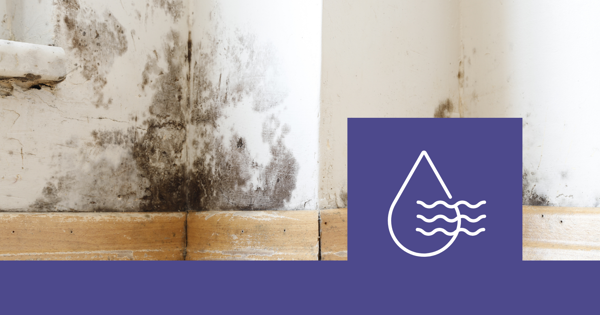
Damp and mould
Mould on walls, ceilings or around windows, persistent damp, musty smells, excessive condensation or damp and mould that keeps coming back.
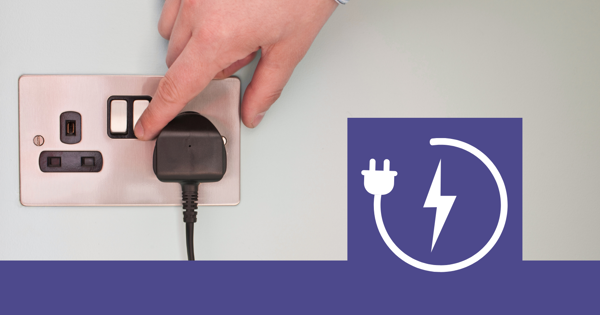
Electrical, fire and explosion risks
Look out for electrical problems such as damaged wiring, faulty sockets or exposed electrics, as well as fire or explosion risks such as faulty heating systems, damaged gas appliances, unsafe fire doors or other issues that could put you or your household at risk.
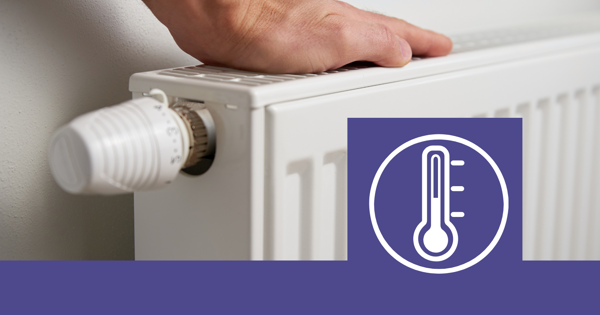
Cold and heat
Problems with heating, insulation or your home that make it difficult to keep it at a safe temperature, or cause your home to become dangerously hot.
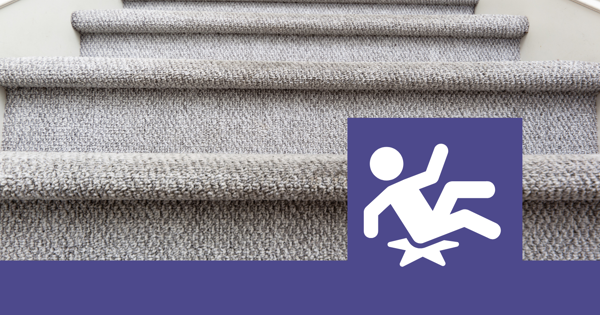
Falls
Unsafe floors, stairs, steps, handrails or other problems that could increase the risk of you or someone in your household falling and being injured.
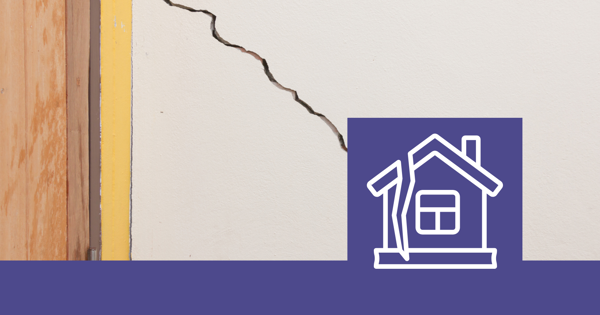
Structural problems
Loose ceilings, falling materials, unstable walls, large cracks or other serious structural problems that could put you or your household at risk.
Hygiene and food safety
Problems that make it difficult to maintain personal hygiene or safely store, prepare and cook food, including serious issues with water, drainage or sanitation.

Tell us how it affects you
When you report a hazard or repair, it’s important that we understand how the issue is affecting you and anyone else living in your home. This helps us understand the risk, consider your individual circumstances and make sure we respond appropriately.
When you contact us, please tell us if any of the following apply to you or someone living in your home:

Your health and safety is being affected
Tell us if the issue is affecting your health, wellbeing or safety, or that of someone you live with.
Someone in your home may be more at risk
Let us know if children, older people, or anyone with an existing health condition lives in your home. This helps us understand who could be most affected.
You or someone you live with has mobility needs
Tell us about any mobility needs, including if you use mobility equipment or have adaptations in your home.

The issue is making a health condition worse
Tell us if you or someone you live with has developed symptoms, or if an existing health condition has got worse since the issue started.
You can't use an essential part of your home
Let us know if the issue means you can't safely use an essential room or facility, such as your kitchen, bathroom, heating, toilet or washing facilities.

You need information or support in another language
Tell us if you need us to communicate with you in another language or format. We'll make sure you get the support you need.
FAQs
Have a question about Awaab’s Law or what happens when you report a hazard in your home? Take a look at our FAQs below for answers to some of the most common questions. If you can’t find what you need, get in touch with our friendly team who’ll be happy to help.
Awaab’s Law is legislation designed to protect social housing customers from serious hazards in their homes. It sets legal timescales for landlords like Staffs Housing to investigate and act when certain hazards are reported.
It is named in memory of two-year-old Awaab Ishak, who died following prolonged exposure to mould in his social housing home.
The first phase focusing on damp and mould came into force on 27 October 2025, with the next phase focusing on all hazards in the home coming into force on 30 November 2026.
Awaab’s Law currently covers all emergency hazards and significant damp and mould hazards.
From 30 November 2026, it will also cover significant hazards involving excess cold and heat, falls, structural collapse, fire and explosions, electrical safety, and domestic and personal hygiene and food safety.
You don't need to decide whether something meets the legal definition of a hazard. If you're worried about something in your home, tell us and we'll assess it.
An emergency hazard poses an imminent and significant risk of harm and needs immediate attention. A significant hazard is a problem that poses a significant risk to your health or safety.
How serious a hazard is can depend on the condition of your home and the circumstances of you and your household. You don't need to work this out yourself, report your concern and we'll take it from there.
If there is an immediate danger to life, always call 999.
If we believe there could be an emergency hazard, we must investigate within 24 hours and take the necessary action to make your home safe within the required timeframe.
Potential significant hazards covered by Awaab’s Law must be investigated within 10 working days. If a significant hazard is confirmed, necessary safety work must be completed within five working days of the investigation finishing.
These are maximum legal timescales. If something needs attention sooner to keep you safe, we'll act sooner.
We'll log your concern and assess the information you've given us. We may ask you some questions, request photos or videos, or arrange to inspect your home.
We'll consider the circumstances of everyone in your household when assessing the risk, so please tell us if someone's age, health, disability, mobility or other circumstances could make them more vulnerable.
We'll let you know what we've found, what needs to happen next and keep you updated while work is carried out.
If your home cannot be made safe within the timescales required by Awaab’s Law, we'll offer you suitable alternative accommodation while the necessary work is carried out.
If you've already reported something and it gets worse, comes back or starts affecting you or your household differently, tell us again straight away. We may need to reassess the risk.
If you notice something that could affect your health or safety, report it to us by phone, email or through our online form. You don't need to know whether it's covered by Awaab’s Law.
If you're unhappy with how we've dealt with your concern, you can use our complaints process. If you've completed our complaints process and remain unhappy, you can ask the Housing Ombudsman to look at your complaint.
Want to understand more about Awaab’s Law and what it means for you? Find out about your rights, the hazards covered and the timescales we must follow to help keep you safe in your home.

Tell us about a problem in your home
If something in your home doesn’t look, feel, smell or sound right, tell us. Our expert team is here to listen and understand your concerns to make sure you get the right help.
Prefer to speak to someone face to face?
You can visit one of our customer hubs to report an issue and talk through how it’s affecting you. We know it can sometimes be easier to explain your circumstances in person, so our team will be there to listen and support you discreetly.
Find your nearest customer hub